

The Uranium Unleased people reported in mid-March 2026 that The global uranium market is heading toward a supply shock few investors fully understand. By 2027, more than half of the nuclear industry’s long-term fuel contracts will expire—creating the largest uncovered demand in over 30 years. When utilities realize the fuel simply isn’t available, the inevitable panic buying could send uranium prices dramatically higher.
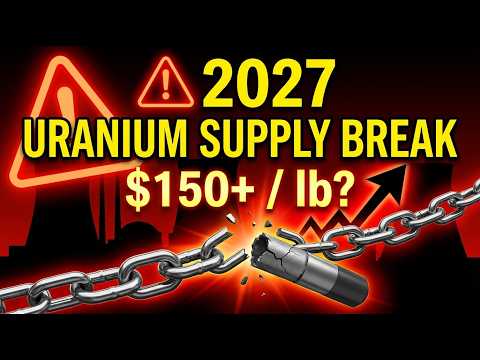
This looming “2027 Contract Cliff” is forcing the nuclear fuel market into a structural deficit that higher prices alone cannot fix. New uranium mines take 8–15 years to develop [but ISR projects requires much less time to get permitted], while demand from AI data centers, reactor life extensions, and Small Modular Reactors (SMRs) is accelerating far faster than supply can respond.
In this deep-dive analysis, we break down the macroeconomic, geopolitical, and physical realities of the uranium supply chain—and explain why the next phase of the nuclear energy cycle may look very different from the past. What You’ll Learn The 2027 Contract Cliff Over 50% of global uranium supply contracts are expiring within the next few years, leaving utilities dangerously under-contracted.
Supply Inelasticity
Even if uranium prices surge, new mines take 8–15 years to develop [but ISR projects requires much less time to get permitted] —creating a structural supply bottleneck. The AI & Nuclear Demand Shock AI data centers, SMRs, and global reactor life extensions are dramatically increasing baseload power demand. Fuel Cycle Geopolitics Supply concentration in Kazakhstan and Russia is creating serious energy security risks for Western utilities. Utility Capitulation As uncovered demand grows, utilities may soon be forced to pay significant premiums for reliable uranium supply.
Managed & Built by I2M Consulting, LLC | © 2010-
