

Sandberg reported on June 21, 2024 that as waters rose across Minnesota, the Minnesota Department of Health urged private-well users to plan ahead. As the river rose, Carver City crews worked hard to extend their levee across the Main Street bridge.
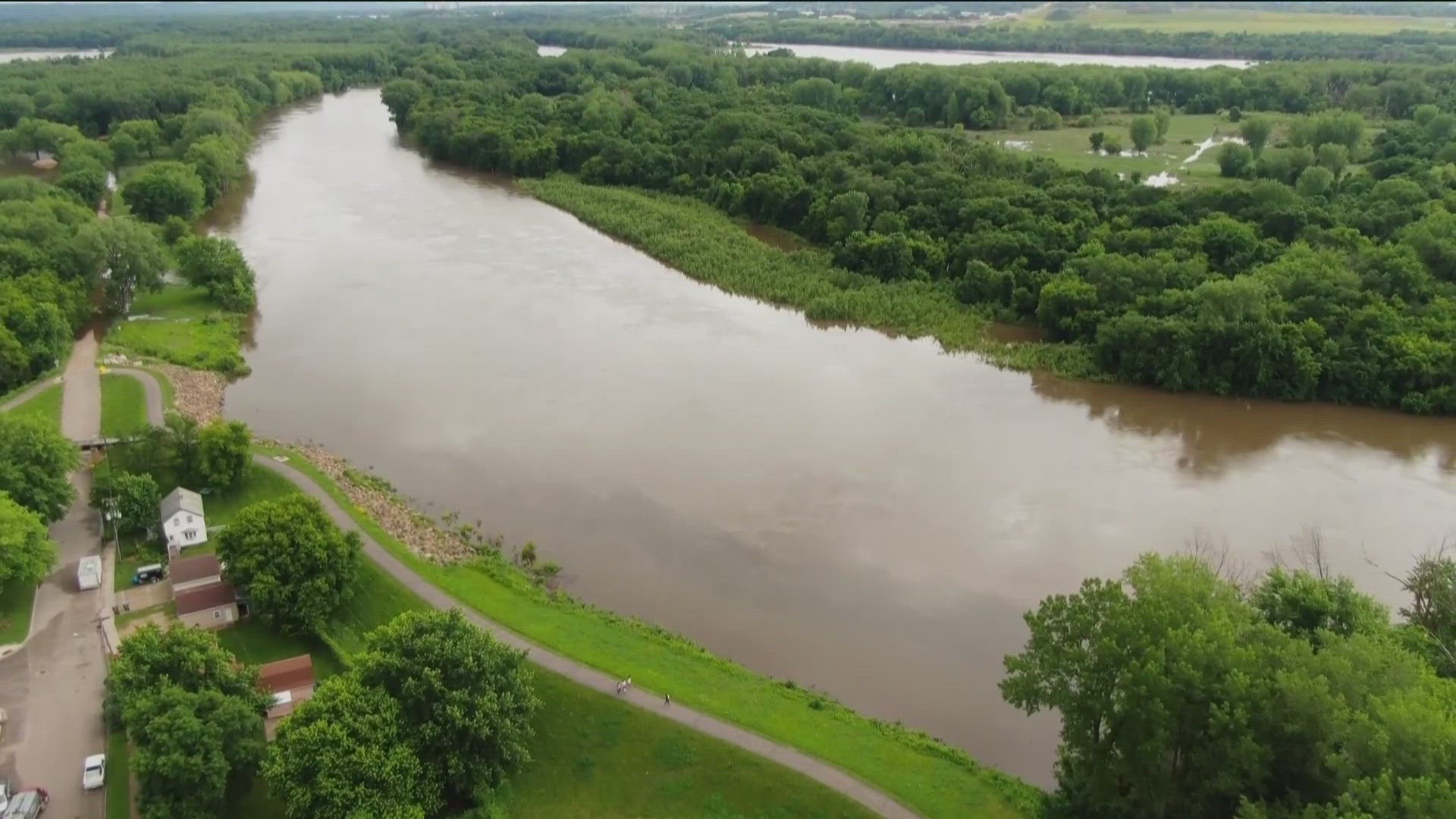
Flood waters carry germs, dirt and other debris and the Minnesota Department of Health (MDH) is warning that contaminants can find a dangerous new home in private wells. In a press release, MDH said if you have a well in a flood-prone location and the time to act, contact a licensed well contractor to check your water and make any needed changes or repairs to protect it. These changes could include repairs to any damaged casings, extending the well casing above the expected flood levels or temporarily replacing a vented well cap with a watertight cap or cover.
If you think your well could flood, set aside a supply of clean water, enough to last for a few days. Turn off the power to the well pump to avoid pumping flood water into your plumbing system or your home. When time is running short and the flood waters are approaching, you can cover your well with a heavy plastic bag or plastic sheeting and secure it with electrical tape, according to MDH. This "quick fix" won't completely shield your well from contamination, but it will reduce the amount of water and debris and make cleanup easier.
Once floodwaters reach your well, MDH said you should consider your well contaminated. Do not use the water for drinking, cooking or brushing teeth until the flood water recedes.
If flood waters reach your well:
- Avoid electrical shock. Do not approach a flooded well until it has been completely disconnected from its power source.
- If floodwater covered your well or may have entered your well directly, have a licensed well contractor inspect the well, clean out sediment or debris and disinfect it with a chlorine solution. Using your well pump to remove sediment or debris could ruin the pump. To find a licensed well contractor check the Licensed Well and Boring Contractor Directory.
- If floodwater reached your well, have a licensed well contractor disinfect your well – or complete the disinfection yourself – even if you don’t think the floodwater entered the well. Detailed instructions are available at Disinfecting Flooded Private Water Wells.
- After you or the licensed well contractor disinfects your well and pumps out the chlorine solution, contact your county health department or a laboratory accredited by MDH about how to get your well water tested for coliform bacteria. They will provide instructions on how to submit a water sample for testing.
- If your well water test comes back positive for coliform bacteria, repeat the disinfection and testing process. You may need to disinfect and test your well several times before your well is free of bacterial contamination.
- Do not use the water from your well until the lab has informed you that it is safe and free of bacterial contamination.
- If floodwaters come within 50 feet of your well but don't reach it, MDH recommends having your water tested for coliform bacteria as a precaution. Your well does not need to be disinfected prior to testing, but if the test comes back positive for bacteria it will then need disinfecting.
[For Texas flooding , see (here).]
Managed & Built by I2M Consulting, LLC | © 2010-
