
Wind Energy End-of-Service Guide - 2022
Wind Energy / Related Environmental Issues / Environmental Impact
Date posted: 05/18/24
Oteri and three co-authors reported in 2022 in the introduction to their "Wind Energy End-of-Service Guide" that it is intended to give a foundational understanding about what happens to wind turbines and related infrastructure when a wind energy project is repowered or decommissioned.
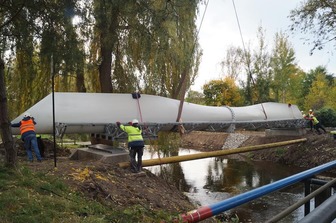
As of October 2022, over 70,000 land-based wind turbines with a combined capacity of nearly 138 gigawatts (GW) were installed across the United States, with more being deployed to reach state and federal renewable energy goals. While some of these wind turbines are newly installed, others are part of an aging fleet that is coming to the end of their expected design life and will need to be partly or fully repowered to extend their life or be decommissioned (which removes a wind energy project and involves land restoration).
So far, more than 14 GW of U.S. projects have already been fully or partially repowered with analysts expecting an additional 16 GW of full or partial repowers through 2026.
[Note: This guide supports the view that wind turbines and blades are of limited lifetimes and therefore the O&M costs will continues to climb as windmills are repaired or replaced.]
About This Guide
The 'Wind Energy End-of-Service Guide' is divided into four sections:
1. The Life of a Turbine section focuses on the service life of a wind turbine, what happens when they reach end of service, the overall
recyclability of a project, and what is being done to improve recyclability.
2. The Repowering section focuses on replacing components or full turbines with newer technology, how these activities can potentially
change turbine and project characteristics, as well as the local impacts from repowering wind energy projects.
3. The Decommissioning section focuses on project removal, site restoration, and the local impacts from the decommissioning of wind energy
projects, and
4. Finally, the Blade section of this resource focuses on how many blades will need to be processed from wind energy projects, how they are
processed, and the issues and concerns related to the landfilling and recycling of these components.
Managed & Built by I2M Consulting, LLC | © 2010-
